
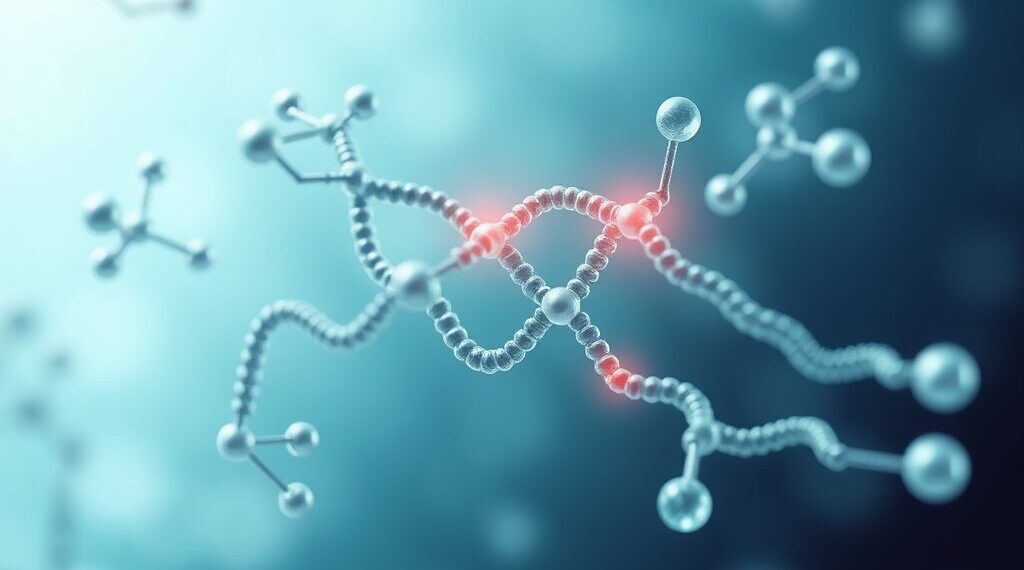
*This article is general education only. Nothing here is medical advice, a treatment recommendation, or a dosing plan. Peptides include prescription medications — always consult a licensed clinician before starting any peptide therapy.*
Manna Editorial Team
Peptides are having a moment. Here's what's actually going on.
You’ve almost certainly heard the word. Ozempic is on the news. Mounjaro is the subject of half the podcasts in your feed. Your gym buddy is talking about BPC-157. Your doctor’s office just added a “peptide therapy” section to its website. And somewhere in between, you’re trying to figure out what a peptide actually is — and whether any of this applies to you.
The honest answer is that “peptide” is a broad term that covers a wide range of molecules, from blockbuster GLP-1 drugs prescribed to millions to research-focused compounds that clinicians are using in wellness and longevity contexts. Not all peptides are the same. Not all of them are prescription drugs. And the process of accessing and using them varies significantly depending on which category you’re talking about.
This guide is a straightforward orientation: what peptides are, the main categories people are using right now, how they’re typically prescribed and accessed, and what the practical preparation process looks like. If you’re already past this point and want the step-by-step reconstitution walkthrough, go straight to Peptide Injections: What Happens After You Get a Prescription.
What is a peptide, exactly?
The GLP-1 class: semaglutide, tirzepatide, and the weight loss wave
Beyond GLP-1s: other peptide categories in use
How people actually access peptides today
What "reconstitution" means and why it matters