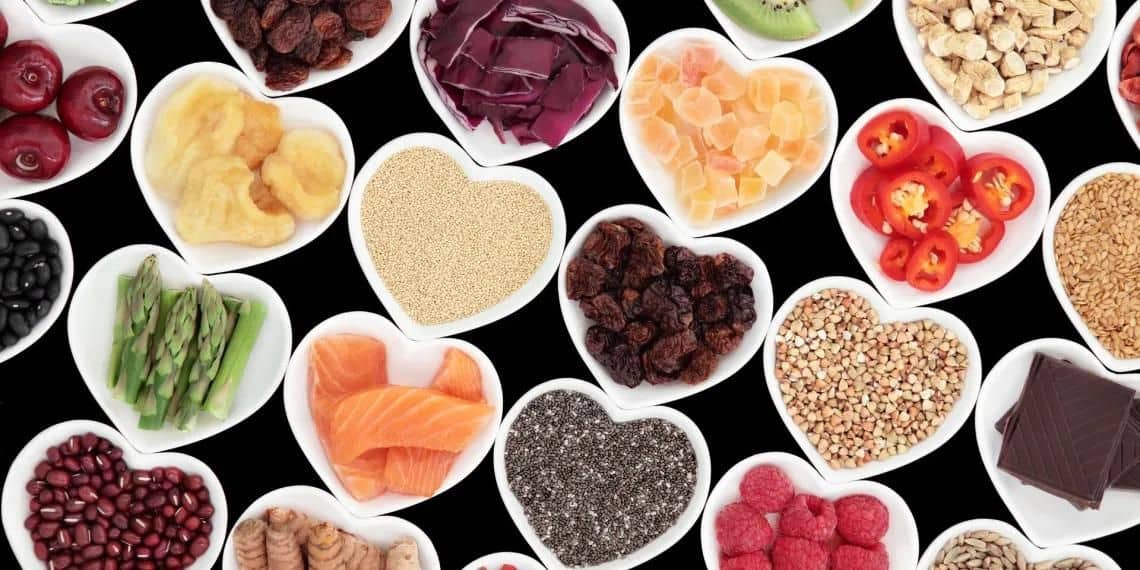
When it comes to heart health, many people focus on exercise and diet changes, such as reducing meat intake.
However, it’s just as important to consider the specific nutrients your heart needs to stay strong. Just as a car requires the right fuel to operate smoothly, your heart needs certain nutrients to function well.
While cutting out cholesterol, trans fats, and excess sugar is beneficial, your heart still requires essential nutrients to support healthy arteries and overall function.
In this section, we’ll explore the vitamins and minerals that may support cardiovascular health and contribute to a well-rounded approach to maintaining heart wellness.
We’ll also provide tips for incorporating these nutrients into your diet.

Understanding Heart-Healthy Nutrition
It’s well known that your diet plays a role in cardiovascular health, which is why doctors often recommend reducing cholesterol, processed foods, and sugars. While many of us know what to avoid, it’s just as important to understand what foods can support heart health.
Maintaining a balanced diet is a key factor in supporting overall heart health. This includes a variety of fruits and vegetables, whole grains, lean proteins, and healthy fats. Each of these food groups contains specific nutrients that can benefit your heart.
For example, fruits and vegetables are rich in antioxidants, which may help reduce inflammation and support healthy blood vessels. Whole grains are high in fiber, which may assist in maintaining healthy cholesterol levels. Lean proteins and healthy fats, such as those found in fish and nuts, can support a healthy blood pressure and overall heart function.
In addition to the types of foods, the vitamins and minerals they provide work together to support heart health. It’s important to include a variety of these foods in your daily diet to support optimal cardiovascular function. Keep in mind, balanced nutrition is an important part of managing heart health and overall well-being.
Supplements can help fill nutritional gaps and support heart health, especially if you’re not getting all the nutrients your heart needs from food alone.
The Manna Heart Health Bundle includes key nutrients that can help support cardiovascular wellness. Whether you’re active and training for a marathon or looking to maintain overall heart health as you age, this bundle is designed to complement a balanced diet and support your heart.

Essential Vitamins and Minerals for Heart Health
Your heart is a vital organ that plays a crucial role in your overall health. Just like a car engine requires oil and quality fuel to function properly, your heart needs essential nutrients to support its function.
Below are some important vitamins and minerals that contribute to overall heart health when incorporated into a balanced diet.

Vitamin C
Vitamin C is a key nutrient that helps support overall wellness. It serves as an antioxidant, which helps protect the body’s cells from damage caused by free radicals. By maintaining cellular health, vitamin C plays a role in overall heart function.
Additionally, vitamin C contributes to the formation of collagen, a protein that supports the structure of various tissues, including blood vessels. Maintaining healthy blood vessels is important for general well-being.
You can find vitamin C in fruits and vegetables such as oranges, strawberries, bell peppers, and broccoli. If you’re looking for a supplement, you can consider adding vitamin C to your routine.
Vitamin K
Vitamin K plays a significant role in supporting overall health, particularly in maintaining the proper function of the body’s blood clotting processes.
This vitamin also contributes to the health of blood vessels by helping regulate calcium levels, which is important for supporting vascular flexibility.
Vitamin K can be found in green leafy vegetables like spinach, kale, and broccoli. For those looking to include more of this nutrient in their diet, these foods are a great option.

Magnesium
Magnesium is an essential mineral that plays a role in maintaining a normal heart rhythm and supporting overall cardiovascular function. It helps the heart muscle cells contract and relax properly. Magnesium can be found in foods like nuts, whole grains, leafy green vegetables, and beans. However, many individuals may not meet their daily magnesium needs through diet alone, as magnesium intake tends to be lower than recommended in a significant portion of the population.
To support your magnesium intake, consider incorporating magnesium-rich foods into your diet or using supplements if necessary, under the guidance of your healthcare provider.
Potassium
Potassium is an important mineral that helps maintain healthy blood pressure levels by balancing sodium levels in the body.
Potassium can support the normal function of blood vessels, which is important for cardiovascular health.
Potassium is naturally found in foods such as bananas, potatoes, spinach, and oranges. However, studies suggest that many people do not get enough potassium in their daily diets.
A daily multivitamin that includes potassium may help ensure you are getting enough of this essential mineral.

Omega-3 Fatty Acids
Omega-3 fatty acids, including DHA and EPA, are essential nutrients that support overall health.
These beneficial fats are known to help maintain normal cholesterol and blood pressure levels and may support healthy inflammatory responses in the body.
Omega-3 fatty acids are primarily found in fatty fish such as salmon, mackerel, and sardines.
For those who may not regularly consume fish, omega-3 supplements may be a helpful option to ensure adequate intake. Always consult with your healthcare provider before starting any new supplementation.

Coenzyme Q10 (CoQ10)
Coenzyme Q10 (CoQ10) is a nutrient that plays a key role in energy production within the cells, including those in the heart. CoQ10 helps support the heart’s energy needs, which are essential for maintaining normal heart function.
As we age, the body’s natural production of CoQ10 decreases. This may contribute to changes in heart health as we get older.
Studies suggest that CoQ10 supplementation may support overall heart health and help maintain energy levels.
CoQ10 can be found in foods like meat, fish, and nuts, but supplementation may be beneficial for those not getting enough from their diet.

Building a Stronger Heart, Beat by Beat
Taking care of your heart involves more than just avoiding unhealthy foods. It’s also important to include essential nutrients in your diet. The vitamins and minerals listed above are key contributors to supporting heart health. Regardless of your stage in life, taking steps to support heart health is crucial.
Heart disease is a leading cause of health concerns worldwide, and nutrition plays a significant role in heart health.
Consider adding these nutrients to your diet to support heart function. For additional support, Manna’s Heart Health Bundle provides convenient access to these important nutrients.
FAQ
Certain nutrients are crucial for heart health because they help maintain strong arteries, regulate blood pressure, and support a steady heartbeat. Vitamins and minerals like Vitamin C, Vitamin K, Magnesium, Potassium, Omega-3 fatty acids, and Coenzyme Q10 play specific roles in reducing inflammation, preventing artery calcification, and ensuring the heart has the energy it needs to function properly.
Vitamin C acts as a powerful antioxidant that protects the heart by neutralizing free radicals, which can damage heart cells and lead to heart disease. It also supports collagen formation, which is essential for maintaining the integrity of blood vessels, ensuring they remain strong and flexible.
Magnesium helps maintain a regular heart rhythm by supporting the contraction and relaxation of heart muscle cells. It also plays a role in regulating blood pressure and reducing the risk of arrhythmias. A deficiency in magnesium can lead to serious heart issues, making it important to ensure adequate intake.
Coenzyme Q10 (CoQ10) is a compound that plays a critical role in energy production within cells, particularly in the heart muscle. It helps the heart function efficiently and supports overall cardiovascular health. As we age, our natural production of CoQ10 decreases, making supplementation beneficial for maintaining a healthy heart.
To ensure your heart gets all the necessary nutrients, focus on a balanced diet rich in fruits, vegetables, whole grains, lean proteins, and healthy fats. Supplements can also help fill nutritional gaps. Manna’s Heart Health Bundle provides a comprehensive range of heart-healthy nutrients to support cardiovascular wellness.


- https://pubmed.ncbi.nlm.nih.gov/25392110/
- https://www.ncbi.nlm.nih.gov/pmc/articles/PMC4566462/
- https://www.ncbi.nlm.nih.gov/pmc/articles/PMC5786912/
- https://baptisthealth.net/baptist-health-news/heart-arrhythmias-afib-and-atrial-flutter-on-the-rise-in-u-s
- https://www.cdc.gov/salt/index.htm
- https://nutritionfacts.org/blog/98-of-american-diets-potassium-deficient/
- https://www.ncbi.nlm.nih.gov/pmc/articles/PMC8151454/